
When Your Child Knows Every Letter but Can’t Sound Out Words
My youngest could name every letter you pointed to. Letter recognition was never the problem — he was great at it.
The problem was what came next. When it was time to sound out words, he stayed stuck at the alphabet: he could tell you the letter, but turning letters into sounds and sounds into words wouldn’t click. We’d sit down to read and hit the same wall, session after session.
And I’ll say the quiet part, because I know I’m not the only mom who’s felt it: teaching him to read had me wondering if I was capable of doing enough. When you’re the teacher and the lesson isn’t landing, it’s hard not to hand yourself the blame.
Knowing letters and hearing sounds are two different skills
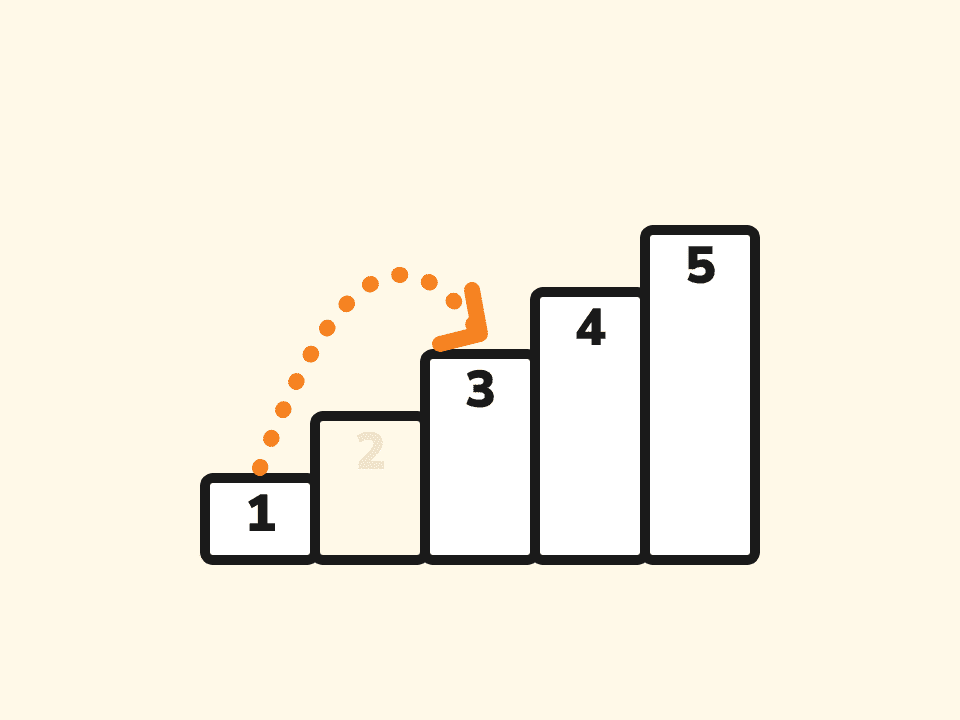
Here’s what I wish I’d understood at the start of that season: naming letters and sounding out words are not one skill on one dial. They’re two different skills, and they arrive on two different schedules.
Naming a letter is recognition — his eyes and memory doing what they do well. Sounding out a word asks something else entirely: his ears have to pull a word apart into pieces, hold the pieces, and blend them back together. That’s an ear skill more than an eye skill, and for many children it comes later, and slower, than the alphabet did.
Two different skills
So a child who’s “great at letters but stuck on sounds” isn’t going backward. He’s standing exactly at the doorway between two skills — and some kids stand there longer.
The wall isn’t a verdict on your teaching
I started my youngest with the alphabet the same way I had with my oldest. Same mom, same method — and with my oldest, it simply worked. With my youngest, it didn’t.
The method fit one child and not the other. It was never a measure of how much I was doing.
If you’re in that same stuck place, it isn’t a measure of you either. It’s information — this road doesn’t fit this child. Time to try another road.
When he noticed he was the one still stuck
The most touching part of that era, and the hardest: he began to see other kids do things he couldn’t do yet, and he felt like he was behind.
If your child has felt that — or you have — let me name it and answer it in the same breath. What steadied us both was shifting our eyes from the missing skill to the growing one. I stopped letting our reading time end at the wall and started ending it at something he could do: the letters he knew cold, the page he finished, the sound that clicked this week that hadn’t clicked last month. He didn’t need me to pretend the wall wasn’t there. He needed me to show him it was moving.
Our trial-and-error era — and what finally worked
I won’t pretend there was one magic trick. There was a trial-and-error era: we tried it one way, watched, and tried another. But looking back, everything that helped had the same shape — we stopped asking his ears to do the work alone.
- Sounds got attached to things he could touch and trace, the way beans had taught him counting.
- The same story, again and again. In a familiar story he wasn’t decoding cold — he could hear where the words were going, and the sounds had somewhere to land.
- Tiny wins, often. One word sounded out was a celebration. Confidence turned out to be half the skill.
That’s the same conviction every DexteDoodle page is built on: some children have to do the learning with their hands before it settles in their ears and eyes.
The long game (or: how this story ends)
That little boy stuck at the alphabet sounds? He graduated from school early and started college at 16.
I tell you that not to promise you a 16-year-old college student — but because on the nights I wondered if I was enough, I couldn’t see any version of that ending. The stuck season felt like the whole story. It was a chapter. The wall your child is standing at right now is a chapter too.
Give his hands a head start
If your child is in the letters-but-not-sounds doorway, keep the practice playful and keep it in his hands. Our free Mini Micro Stories maze pack pairs tiny read-together stories with tracing mazes led by Dexte — rhythm and rhyme for his ears, a path for his fingers, one little win per page.
It’s free at dextedoodle.com/free-maze-pack.html. Hand them a story they get to finish with their own two hands — and let the chapter turn when it’s ready.
Get the Free Kindergarten-Readiness Checklist
Every kindergarten-readiness skill on one simple printable — so the quiet “is he behind?” becomes a list you can watch him reach for, one check at a time.
Take the free readiness check →Would you rather have it as a printable? Pop your email in and the PDF comes straight to your inbox.
No spam — just readiness help from one homeschool mom. Unsubscribe anytime.
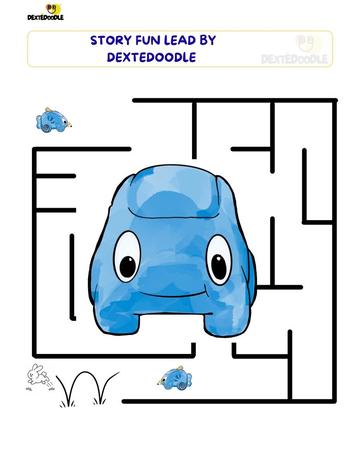
For the learner who needs to touch it first
One story told as mazes, coloring pages, drawing prompts, and seek-and-finds — pre-reading skills built through his hands, one finished page at a time.
Get DexteDoodle Story Learning →
Before you go
I read every note. If this helped — or you’re not sure where your child is on the road to kindergarten — I’d love to hear from you at kasandra@dextedoodle.shop.