
“I’ll Never See Three Again” — What Number Sense Sounds Like When It Arrives
The night before my youngest turned four, he looked up at me, sad and solemn, and said: “I’ll never see three again.”
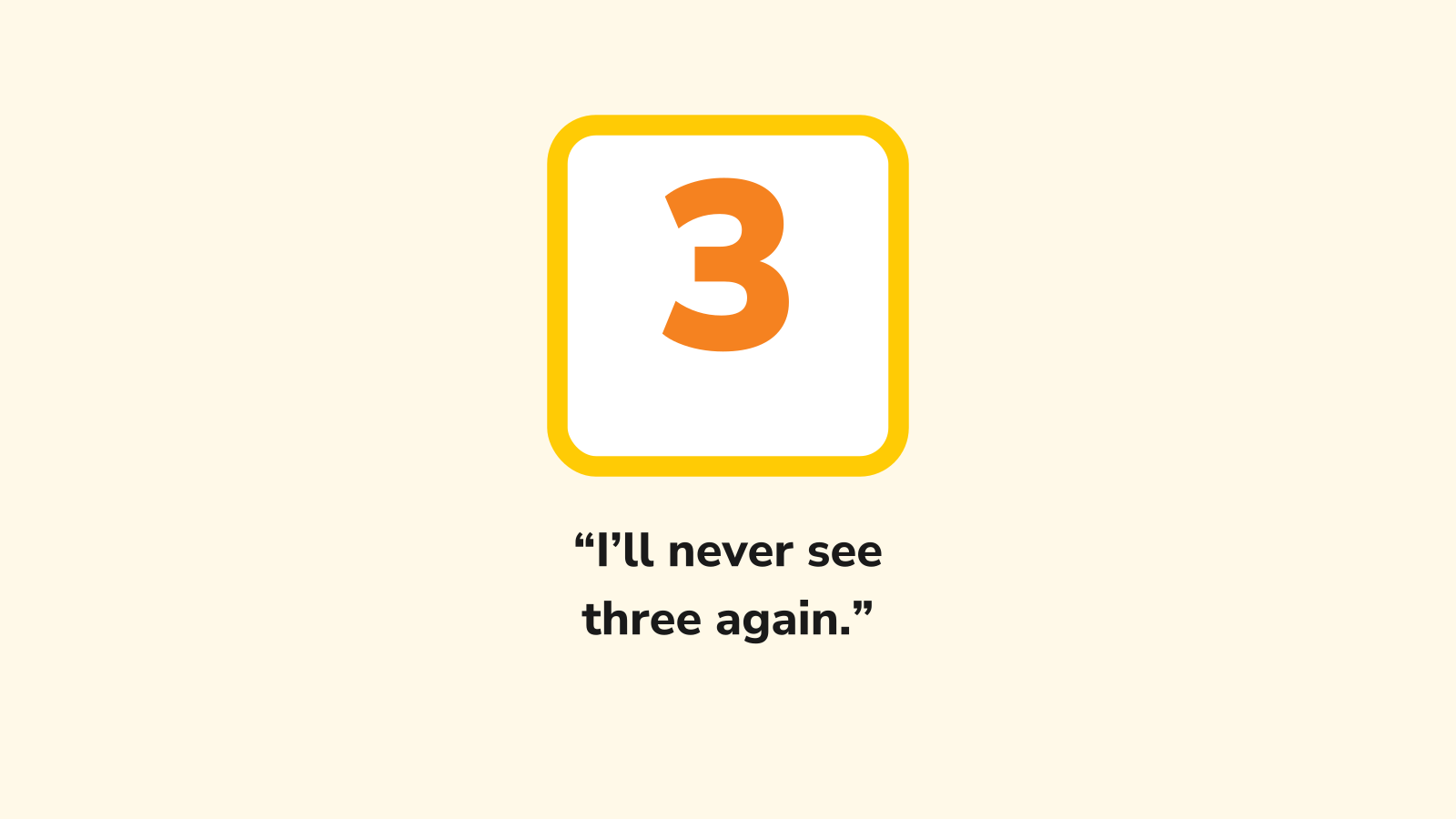
He wasn’t reciting anything. He understood exactly what he was saying — that three was a real amount of something, that the something was his own life, and that a door was closing on it at midnight. I’ve taught a lot of counting in my years as a homeschool mom. Nobody ever taught him that.
If you’ve watched a child count to 10 like a champion and still hand over two crackers when you asked for three, this post is for you — because the gap between those two things has a name, and my old-soul four-year-old summed it up better than any curriculum ever has.
Counting to 10 is a song. Knowing three is the music.
A preschooler who counts to 10 has often learned a beautiful rhythm — the words in the right order, the beat their mouth knows by heart. That’s a real skill and worth celebrating.
But it’s a different thing from knowing what three means: that three is an amount, that it lives in three bunnies and three beans and three years old, that it’s one more than two and one less than four. That deeper knowing is what number sense is — and it’s the part that makes all the math after it possible. (I wrote more about that gap in Counting Isn’t the Same as Understanding Numbers — this is the story of the night I saw it arrive.)
What number sense looks like at home
You won’t find number sense on a recital. You’ll find it in the small moments:
- You ask for three crackers and get exactly three, counted into your hand.
- He notices there are fewer bunnies on this page than that one — nobody asked.
- He splits four toys with his brother and knows two-and-two is fair.
- And sometimes, the night before a birthday, he grieves a number — because he knows it was never just a word.
That last one isn’t on any checklist I’ve ever seen. But it’s the same understanding, running deeper than we usually think to look.
You can’t teach that moment — but you can set the table for it
Here’s my honest telling: with my youngest, it was a trial-and-error era to find how he learned best. He needed numbers he could touch — beans, miniature toys, my old childhood abacus — before numbers he could only hear.
So we attached every number to something. Three was three beans in his palm. Five was five slides of a bead. Numbers lived in his hands and in his days long before they lived on a page — and somewhere in all that touching and counting, meaning quietly moved in. I couldn’t schedule the moment it arrived. I could only keep handing him numbers that meant something, and trust that one day he’d hand one back to me.
He did. “I’ll never see three again.”
The soft skills nobody puts on the readiness list
I want to sit with what that sentence really was, because it’s the part I can’t stop thinking about, even now. That was a number wrapped in an understanding of time, of change, of a little life already being lived in chapters. That type of soft-skill understanding, you cannot teach.
We spend so much of the preschool years watching for the skills on the list — and we should, the list matters. But some of what our children are building doesn’t fit on it: the emotional understanding, the sense of life as a whole. When your child shows you one of those moments, write it down somewhere. It’s evidence of a mind at work, every bit as much as a counted page — and it’s the kind you’ll want to reread when he’s sixteen.
Watch for your child’s version
Your child’s “I’ll never see three again” moment will look different — a fairness split, a noticed fewer, a number grieved or celebrated. It may come early like my old soul’s did, or take its time arriving.
Either way, the road to it is the same one: numbers attached to things they can touch, inside moments they care about. Keep walking it playfully, and keep your eyes open. The moment is worth catching.
Put numbers in their hands this week
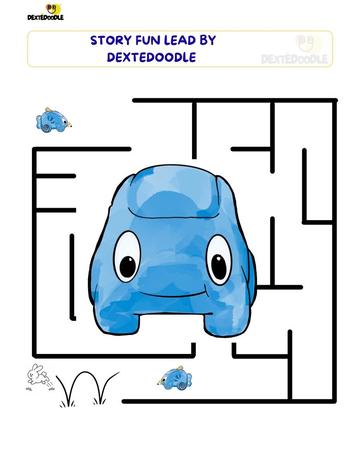
If you want a simple way to start, our free Mini Micro Stories maze pack gives you 12 tiny stories with counting mazes led by Dexte — every number attached to a path little fingers can trace and count. It’s the same hands-first road that carried my youngest from the counting song to the meaning underneath it.
Grab it free at dextedoodle.com/free-maze-pack.html — and here’s to the moment a number becomes real at your house.
Get the Free Kindergarten-Readiness Checklist
Every kindergarten-readiness skill on one simple printable — so the quiet “is he behind?” becomes a list you can watch him reach for, one check at a time.
Take the free readiness check →Would you rather have it as a printable? Pop your email in and the PDF comes straight to your inbox.
No spam — just readiness help from one homeschool mom. Unsubscribe anytime.
From the counting song to the meaning
DexteDoodle Story Learning attaches every number to something your child can trace, color, and hold — the hands-first road from reciting to truly knowing.
Get DexteDoodle Story Learning →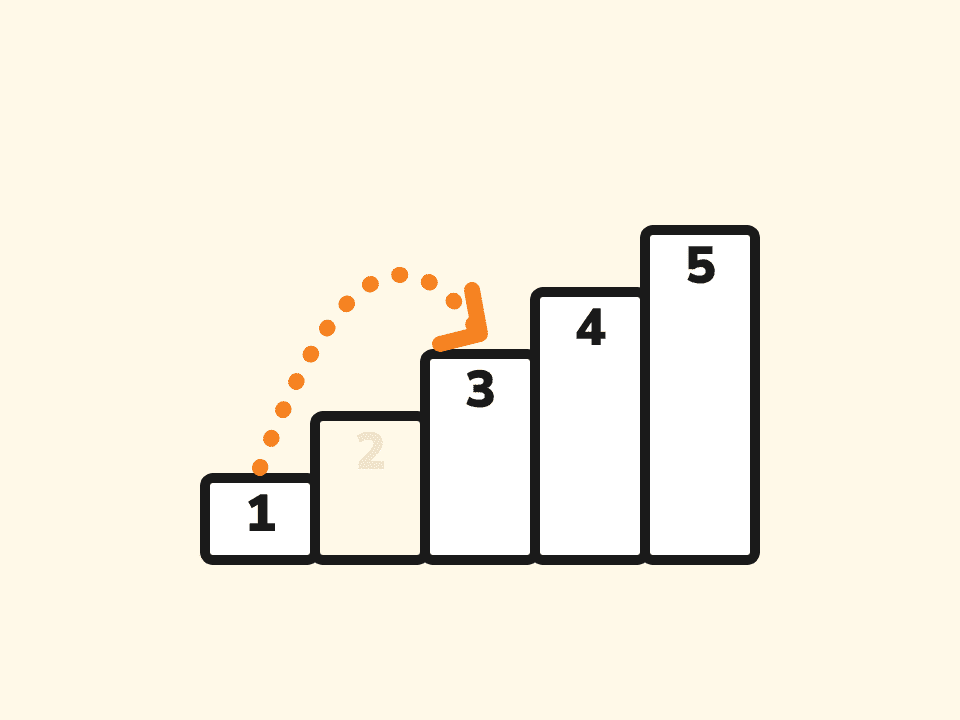
Before you go
I read every note. If this helped — or you’re not sure where your child is on the road to kindergarten — I’d love to hear from you at kasandra@dextedoodle.shop.